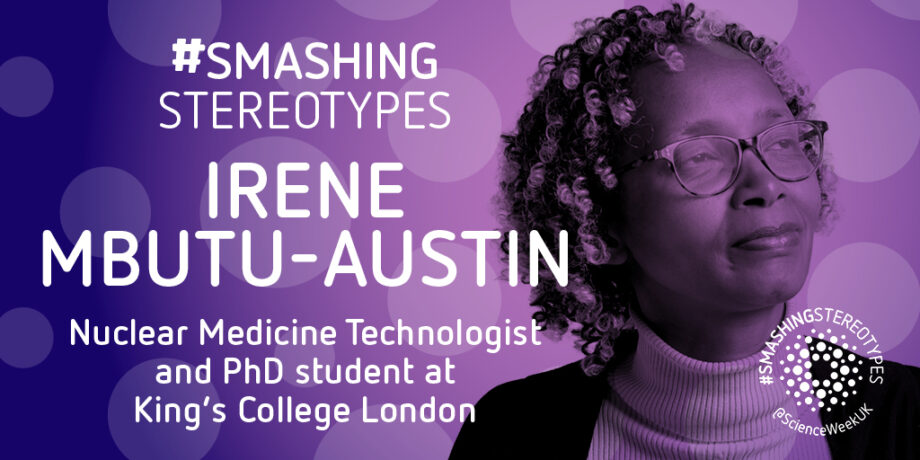
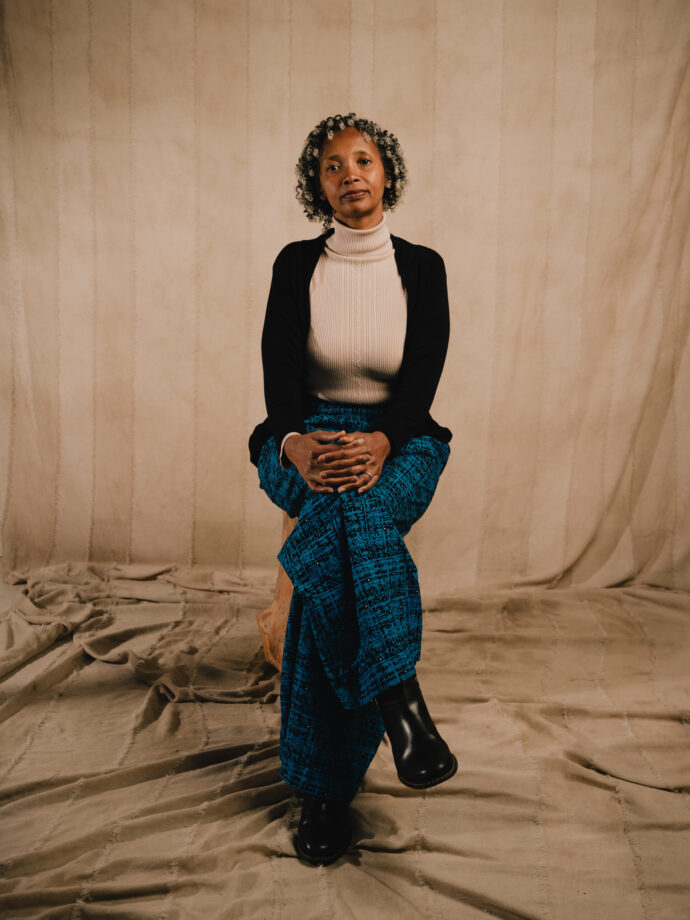
Irene Mbutu-Austin
Nuclear Medicine Technologist and PhD student at King’s College London
Improving lives through nuclear medicine technology
Irene is a Nuclear Medicine Technologist and PhD student at King’s College London, researching chronic low-dose radiation exposure in technologists. She is based in a research laboratory that is part of the Cancer Research UK City of London Radiation Research Centre, a network of scientists who study radiation and how it can be used to detect and treat cancers. Growing up in Kenya with hands-on parents, Irene saw STEM in everyday life. Originally on a path to medicine, she discovered nuclear medicine.
Changing trajectory from Medical School to Nuclear Medicine
I’m a Nuclear Medicine Technologist, and I’ve been doing this for the last 25 years. Medicine was my initial goal, but during anatomy and physiology, we were learning about different ways of imaging, and nuclear medicine came up as an option. It incorporates physics, chemistry, and biology. I wasn’t particularly strong in chemistry, so it was nice that I could still use my physics and biology in the field.
Four years ago, I joined the School of Biomedical Engineering in Imaging Sciences at King’s College London. Now, I’m a Clinical Research Fellow, funded by the Colt Foundation, pursuing a PhD, but I’m also still working as a Nuclear Medicine Technologist, looking at how changes in the field are affecting us as technologists.
I essentially have two parallel careers: the clinical nuclear medicine side, and the research side.
I’ve always wanted to work with people, but I’ve also always been interested in how things work. In nuclear medicine, you work with cutting-edge, state-of-the-art equipment, so you use that part of your physics and maths brain while also working with people to improve healthcare and make a difference in people’s health outcomes.
Being able to work with people and physics, the equipment and everything, just inspired me. It allowed me to combine my love of physics and biology in one field.
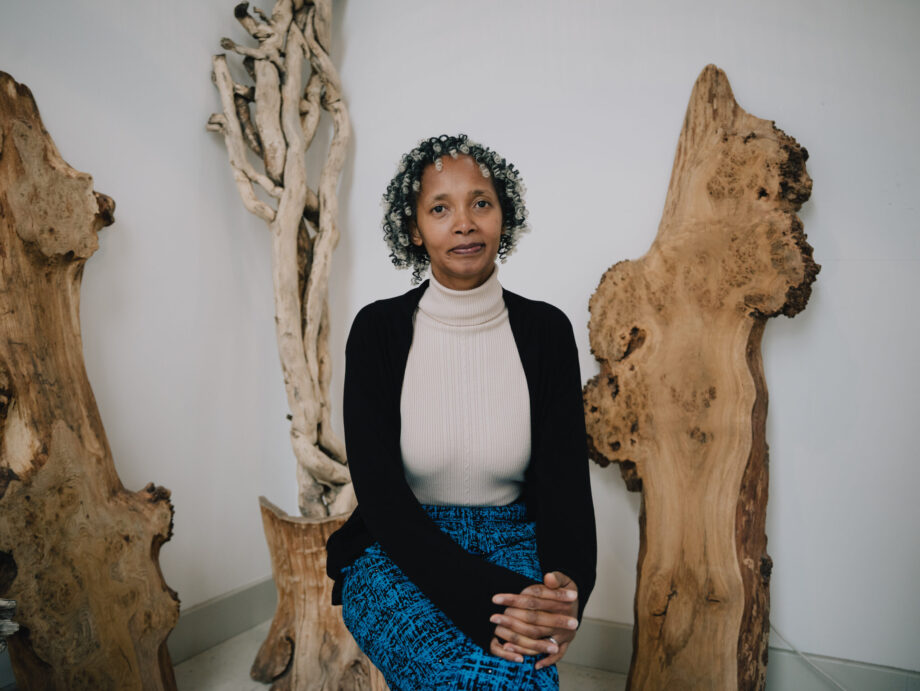
Answering important questions about radioactivity
The PhD came about because there was a question. We have all these new radiotracers that we inject into patients; they’re radioactive. The patients also become radioactive, but nobody really knew what effect this had on us as technologists, since we are exposed to the radiation.
The question was: what effects does this radiation have on us as technologists? I couldn’t find any answers, so I looked for people who could help me pursue this next part of my career. That’s how I came across Samantha Terry and branched off into research. It was really driven by a desire to help people.
Seeing STEM at work
Growing up in Kenya, there were traditional roles for boys and girls, and these often dictated what subjects you eventually studied, but my parents never followed those traditional roles.
One of my earliest memories is my dad fixing a TV. It’s not like you could just go out and buy a new one, so he opened it up, looked at it, and troubleshot it. It was like an experiment; he was figuring out how it worked and solving a problem. That inspired me, I thought, “I want to do that. I want to see questions, answer them, and find solutions.” That was my earliest role model: my dad.
Later, in my field, I’ve met people like Samantha Terry at King’s College London and Liz Ainsbury at the UK Health Security Agency. They are very influential women in their fields, and they’ve helped me realise that I don’t have to just remain a nuclear medicine technologist; I could branch off later in life and pursue a PhD.
This also circles back to my dad, who retired and went back to university at 60. He graduated at 63, the oldest in his class, and earned a whole new degree. That taught me you shouldn’t limit yourself. These have been my role models: my parents and now my two supervisors.
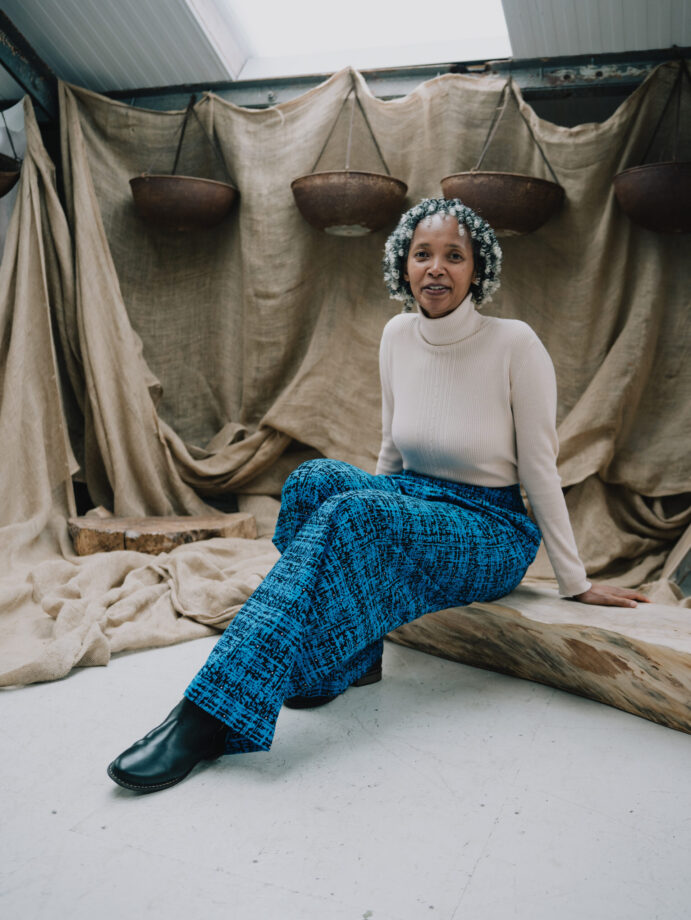
Making a difference through patient care
Working with patients is the most rewarding aspect of my job. Knowing that the work you’re doing, the images you’re producing as a Nuclear Medicine Technologist, actually impacts someone’s care. Being with patients throughout their journey, especially when they’re most vulnerable, and knowing that what you’re doing is helping them, is really rewarding.
The research side is rewarding too. Looking at technologists and our exposure, it’s good to know my work may help improve radiation protection practices in the future. We want to look after patients, but we also need to look after ourselves.
Working with patients can also be challenging. Meeting them at their most vulnerable means fear sometimes manifests as anger or aggression. You have to be empathetic and realise that for many of them it comes from feeling a lack of control in their life.
Pushing boundaries as a mature PhD student
Doing a PhD in my 50s is also challenging. Your brain isn’t as elastic as it used to be, so learning new things while maintaining clinical work is tough, but rewarding, because it pushes you out of your comfort zone and shows that there’s still more I can do.
Early in my career, when I was purely clinical, students would come on day placements or work-study programmes. I’d show them it’s not just imaging patients, it’s more than that.
Later, during my PhD, I went to New Scientist Live in Manchester. Young people came to ask about my career and how I got to where I am. It was three days of interacting with lots of people. There was also outreach at the Baytree Community Centre in Brixton, with young girls visiting King’s College London. We had lunch and spoke about nuclear medicine and its various fields.
I’d like to do more of this. Instead of always going out to young people, it would be nice to bring them to us. Seeing our work in practice makes the abstract idea more tangible.
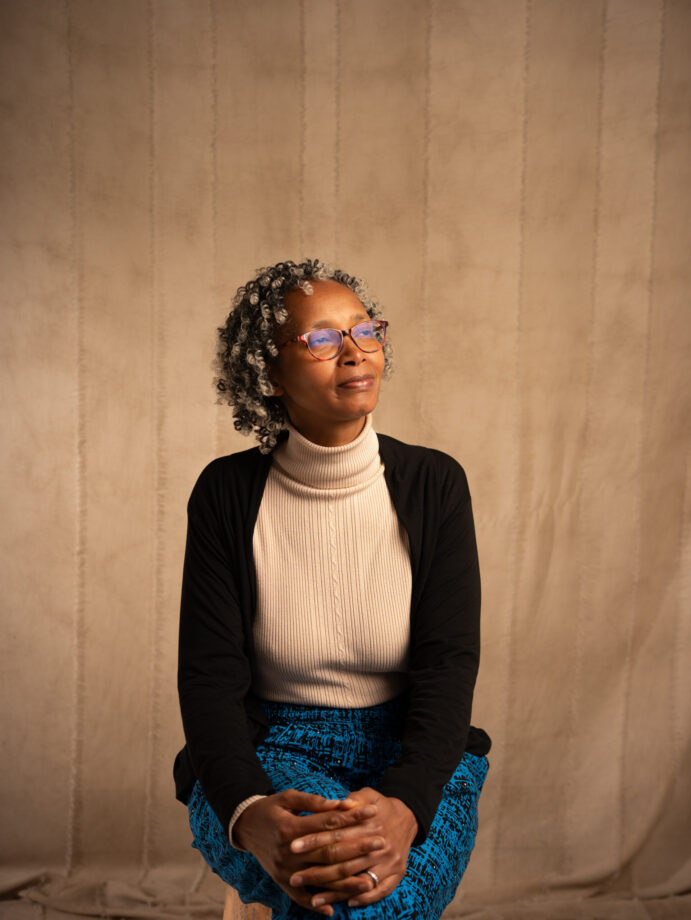
STEM isn’t one-size-fits-all
Young people need to know that STEM isn’t just being stuck in a lab, detached from people. For outgoing pupils, healthcare careers can involve interacting with people. For introverts, there are areas like physics, working with machines.
There’s more than one path in STEM. It’s not just labs or experiments; there are many ways to contribute.
If you’re good in one subject but not others, there are fields like nuclear medicine where you don’t need to excel in every STEM subject. Good at physics? Medical physics. Biology? Technologist. Chemistry? Pharmacy. People just need to know there are diverse pathways. Many only learn about nuclear medicine when they need a scan. It’s a huge field, and we need more young people in healthcare, especially in areas that use physics, like medical physics.
It’s about raising awareness, encouraging young people to explore, and showing that STEM is dynamic and ever-changing. In nuclear medicine, over the last 25 years, things have evolved drastically, new machines, new radiotracers every year. There’s always something to learn; boredom isn’t an option.
This profile was updated on 26 February 2026.
Click here for more scientists who are Smashing Stereotypes.